
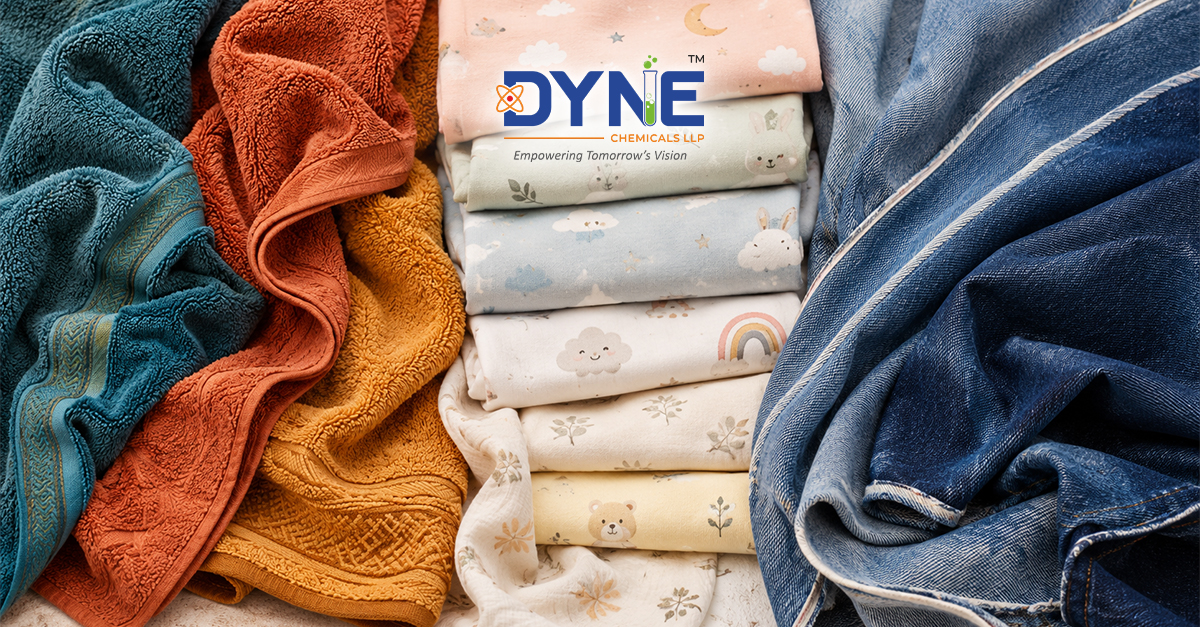
Top fabric manufacturers use silicone finishing agents because they make fabric feel incredibly soft and smooth. They also help fabric last longer, sew better, and feel more premium. No other type of softener can do all of these things at the same time.
But here’s the interesting part. Two different manufacturers can use silicone on the same fabric and get completely different results. One fabric will feel great for a year. The other will turn stiff after just three washes. The difference usually isn’t the silicone itself. It’s about which type of silicone you choose, how you apply it, and whether it matches what the fabric will be used for.
If you work with textiles, you know that softness is no longer just a nice feature. It’s a requirement. Customers decide if they like fabric within the first three seconds of touching it. This is true whether your fabric is made in Europe, Egypt, Morocco, or Jordan and sold to Europe or the US.
What Is a Silicone Finishing Agent?
A silicone finishing agent is a special chemical applied at the very end of fabric making. It changes how fabric feels and behaves, but doesn’t change how it looks.
Silicone doesn’t add color, it creates a thin, flexible coating on each fiber. This coating creates that smooth, slippery feeling you get from premium t-shirts and bed sheets. It also reduces friction between fibers, which means:
- Fabric sews better
- Fabric drapes better
- Fabric resists pilling and wear better than untreated fabric
There are different types of silicone softeners, and each type creates different types of softness and lasts different amounts of time.
Why Top Manufacturers Choose Silicone Over Old-Fashioned Softeners
Old-fashioned softeners (like cationic or fatty softeners) do make fabric soft. But manufacturers who serve premium brands and export markets have mostly switched to silicone for very specific reasons:
1. Softness That Lasts Through Washing
The biggest problem with cheap softeners is that fabric feels great fresh from the machine but turns stiff after 2-3 washes. Silicone softeners stick to the fiber much better, so fabric stays soft even after many washes. For companies that ship fabric long distances and store it in warehouses, this durability is essential.
2. Fabric That’s Easier to Sew
Smooth, well-lubricated fabric runs through sewing machines without needle breaks or thread damage. Garment factories specifically ask for silicone-finished fabric because it reduces downtime on their cutting and sewing lines. This doesn’t show up in lab reports, but it definitely shows up in a factory’s productivity numbers.
3. Stronger Fabric That Resists Tearing
Good silicone finish, while making fabric soft, also makes it resistant to tearing and surface damage. This is especially important for cotton, denim, and workwear that goes through rough handling during sewing, washing, and daily use.
4. Consistent Results Batch After Batch
When you’re making large amounts of fabric continuously, you need a softener that works the same way every single time. Silicone emulsions produce predictable, repeatable results. This is exactly what big manufacturers need to pass buyer inspections.
5. Meets Strict Safety and Environmental Standards
European buyers increasingly require finishing chemicals that meet standards like OEKO-TEX, REACH, and APEO-free requirements. Many modern silicone softeners are made specifically to meet these standards. This is a major reason why mills selling to Europe have switched away from older chemicals.
Why This Is Important for Europe, Egypt, Morocco, and Jordan
Silicone finishing isn’t just a European compliance issue anymore. It’s becoming a competitive advantage across Egypt, Morocco, and Jordan, all major textile manufacturing centers that sell to Europe and beyond.
Europe sets the standard. REACH regulations restrict harmful chemicals, and certifications like OEKO-TEX and GOTS are now required by most European brands for clothing, home goods, and baby products. If a silicone softener can’t prove it meets these standards, European buyers won’t use it.
Morocco is one of Europe’s top fabric suppliers because of trade agreements that give it special access. To keep that access valuable, the fabric must pass the same quality and chemical checks as French or Italian manufacturers. Mills competing for these orders need finishing processes that produce consistent, washable softness every time.
Egypt is building on its cotton heritage and preparing for new EU requirements that track where fibers come from and what chemicals are used during making. For Egyptian mills, the silicone softeners and finishing chemicals they use are becoming part of what buyers need to see and verify.
Jordan has built a strong fabric and garment export business. As Jordanian manufacturers move toward higher-quality products, the quality of fabric finishing, especially softness and durability, becomes more important for winning business from European and US brands.
Across all four markets, the message is the same. Fabric must feel good, perform consistently, and use chemicals that can be verified on a compliance check. That’s exactly what the right silicone finishing agent does.
Different Types of Silicone Finishing Agents
Block Silicone Softeners: The Most Common Choice
Within the silicone family, block silicone softeners are the most widely used because they release their softening effect gradually during the curing process. This gives manufacturers better control over the final feel and avoids the greasy or uneven surfaces that some other silicones can leave.
Dyne Chemicals makes a range of block silicone softeners.
Dyne FA 233, Dyne FA 220 and Dyne FA 600 are water-loving (hydrophilic) block-silicone softeners. Because they absorb moisture, they soften fabric while still letting it breathe and absorb water. This is perfect for towels, underwear, baby clothes, and anything that needs to stay soft but also absorb sweat or moisture. You get the soft, silky feel without losing the fabric’s natural ability to absorb water.
Dyne FA 543 is a water-resistant (hydrophobic) block-silicone softener that creates an even smoother, slicker feel. This type is chosen when maximum smoothness matters more than water absorption. This quality is desired in fabrics like blouses, linings, and synthetic fabrics where the smooth sliding feel is more important than how much water it absorbs.
Dyne FA 2300 is a hydrophobic block-silicone softener built for denim. Denim goes through heavy mechanical handling, from rigid weaving to repeated washing and stonewashing, so it needs a softener that delivers a smooth, comfortable hand-feel without compromising the fabric’s strength or its ability to hold up to abrasive finishing processes. Dyne FA 2300 is formulated to give denim that softer, more wearable feel while still standing up to the rough treatment denim fabric typically goes through before it reaches a retail shelf.
The choice between these really comes down to what the fabric will be used for. A baby’s outfit, a pair of jeans, and a polyester lining fabric all need different things from a softener, even though all three need to feel soft.
Amino Silicone Softeners: Super Soft and Strong
The other main type of silicone is amino silicone. It helps you get super soft, fluffy fabric without losing its shape.
Dyne FA 740 is an amino-silicone softener made for exactly this purpose. The amino molecules in it attach more firmly to the fiber, which means they stay on longer and create a noticeably fuller, more cushioned softness. This is what creates that premium “fluffy” feel in high-end towels, fleece, and home goods.
Amino silicones also help fabric bounce back and recover its shape after being stretched or crushed instead of staying wrinkled or flat. For manufacturers making premium home textiles and high-end clothing, this combination of deep softness plus shape recovery is a huge selling point.
Blooming Agents: Making Fabric Look Good Too
Softness is only half the story. The other half is how the finished fabric looks.
Dyne Bloom 150 is a blooming agent for cotton that works alongside silicone softeners to make dye colors look brighter and clearer. In simple terms, it helps the color “pop” visually so the shade looks more vivid and the surface looks cleaner and more defined instead of flat or dull.
This matters because the softening and dyeing process can sometimes make colors look slightly duller. A blooming agent helps fix this so manufacturers deliver fabric that is both soft to the touch and visually rich. This is exactly what premium buyers want.
How Manufacturers Apply Silicone Finishing
Most silicone softeners are applied through standard padding or soaking methods, depending on the fabric type and equipment at the mill. The fabric goes through a bath containing the silicone liquid, then gets dried and heated to a specific temperature so the silicone coating sets properly onto the fibers.
Getting this right depends on a few practical things:
- How much softener is in the bath
- The pH level (acidity or alkalinity)
- How hot the curing temperature is
- Whether the softener works well with other chemicals already used in the finishing process
This is why working with a chemical manufacturer who understands the complete finishing process rather than just one product makes such a big difference in the final result.
Why This Matters for Buyer Trust
Every piece of fabric that ships out carries the mill’s reputation with it. A buyer who receives soft, consistent, durable fabric batch after batch starts trusting that mill. A buyer who gets soft fabric one time and stiff fabric the next time starts looking for a new supplier.
Silicone finishing agents, when chosen and applied correctly, are one of the best ways manufacturers protect that trust. The softness can be measured, the durability can be tested, and the safety certifications can be proved. This consistency is what turns a one-time order into a long-term buyer relationship.
For manufacturers building or improving their finishing equipment – whether in Europe, Egypt, Morocco, Jordan, or elsewhere – the right combination of block silicone, amino silicone, and blooming agents isn’t a one-size-fits-all decision. It depends on what fiber you are using, what the fabric will be used for, what safety standards you need to meet, and what kind of feel the brand wants.
Working with a textile chemical partner who walks through these choices, rather than just selling a drum of chemical, makes the difference between good finishing and great finishing.
At Dyne Chemicals, we make our silicone and finishing products with this approach. Fabric first, application first. Our finishing range includes water-loving and water-resistant block silicone softeners, a dedicated denim softener, amino silicone systems, and blooming agents, all made to work together. Our leadership team has 15 years of experience supporting textile manufacturers and exporters across the world. Our technical team works directly with mills to find the right silicone system for their fibers, intended use, and safety requirements. If you are looking at a silicone softener for an upcoming production run or export order, contact our team and we will help you find the right fit.
FAQs

Mr. Yash Patel
Yash has spent over a decade and a half working in the manufacturing and marketing of textile-based printing inks, binders, auxiliaries and specialty chemicals. He combines deep technical understanding with an entrepreneurial vision to build sustainable and globally competitive textile chemical solutions.
View Full Bio